Health Guide
Altitude sickness — also known as Acute Mountain Sickness (AMS) — is the most common concern for travelers planning a trip to Tibet. With its capital Lhasa sitting at 3,650 meters (12,000 feet) and many attractions like Everest Base Camp exceeding 5,000 meters (16,400 feet), the Tibetan Plateau presents a real physiological challenge. But here is the good news: with proper preparation, almost everyone can safely enjoy a trip to Tibet. This guide covers everything you need to know about preventing, recognizing, and managing altitude sickness.
Altitude sickness occurs when your body cannot adjust quickly enough to the lower oxygen levels at high elevation. As you ascend, the air pressure decreases, meaning each breath contains fewer oxygen molecules. Your body needs time to adapt — a process called acclimatization — by increasing your breathing rate, producing more red blood cells, and adjusting your blood chemistry.
Altitude sickness typically begins at elevations above 2,500 meters (8,200 feet). Most travelers start experiencing mild symptoms at around 3,000-3,500 meters. The severity depends on the rate of ascent, individual susceptibility, and your physical condition.
Important fact: Your physical fitness level does NOT protect you from altitude sickness. In fact, very fit people sometimes get sicker because they push themselves harder before their bodies have adapted. Altitude sickness affects people of all ages, genders, and fitness levels equally.
Symptoms typically appear 6-12 hours after arriving at high altitude and include:
While rare (affecting about 1-2% of travelers), severe altitude sickness is a medical emergency. Two dangerous conditions can develop:
High Altitude Pulmonary Edema (HAPE): Fluid in the lungs. Symptoms include extreme shortness of breath even at rest, persistent cough (possibly producing pink frothy sputum), chest tightness, and blue-tinged lips or fingernails.
High Altitude Cerebral Edema (HACE): Fluid in the brain. Symptoms include severe headache that does not respond to medication, confusion, loss of coordination (ataxia — inability to walk in a straight line), hallucinations, and unconsciousness.
If you or someone in your group shows these symptoms, IMMEDIATELY descend to a lower altitude (at least 500-1,000 meters lower) and seek emergency medical attention. Our guides at XZZY Trip are trained to recognize these symptoms and will ensure your safety.
The golden rule of high-altitude travel: Climb high, sleep low. Our itineraries are designed with gradual altitude gain. A typical tour starts with 2-3 days in Lhasa (3,650m) for acclimatization before proceeding to higher destinations. Never ascend more than 300-500 meters per day above 3,000m if you have a choice.
As discussed in our Train vs Flight guide, taking the Qinghai-Tibet Railway to Lhasa allows your body to acclimatize gradually over 22-40 hours. Many travelers who arrive by train report significantly milder symptoms than those who fly directly to Lhasa.
The dry high-altitude air causes rapid fluid loss through respiration. Drink 3-4 liters of water per day (more if you are active). Avoid caffeine and alcohol for the first 48 hours, as both are diuretics that accelerate dehydration. Herbal tea and warm water with honey are excellent choices.
When you arrive in Lhasa, rest. Do not rush to explore the Potala Palace or Jokhang Temple immediately. Spend your first day walking slowly, taking frequent breaks, and listening to your body. Save strenuous activities like visiting Sera Monastery (which involves climbing) for day 2 or 3.
Alcohol depresses your respiratory system, reducing your oxygen intake. Smoking irritates the lungs at a time when you need every bit of lung capacity. Both should be avoided entirely for the first 2-3 days at altitude.
Eat small, frequent meals rich in carbohydrates (rice, noodles, bread, fruits) rather than heavy, fatty meals. Carbs are easier to digest and provide quick energy. Tibetan food like tsampa (roasted barley flour) and thukpa (noodle soup) are excellent choices.
Diamox (Acetazolamide): This is the most commonly prescribed preventive medication for altitude sickness. It works by speeding up acclimatization through increased breathing rate and improved oxygenation. Typical dosage: 125-250mg twice daily, starting 24 hours before ascent and continuing for 2-3 days at altitude. Consult your doctor before taking Diamox. Common side effects include tingling in fingers and toes, frequent urination, and altered taste (especially with carbonated drinks).
Other options: Some travelers use ibuprofen for headache prevention, and Ginkgo biloba extract (though scientific evidence is mixed). Dexamethasone is a steroid used for severe AMS but should only be used under medical supervision.
XZZY Trip vehicles are equipped with portable oxygen cylinders for use during long drives, especially when crossing high mountain passes (like the 5,200m Karo La pass en route to Everest). Most hotels in Lhasa and Shigatse offer oxygen rooms or portable oxygen concentrators. Do not hesitate to use them — oxygen is not a crutch, it is a sensible adaptation aid.
Your body repairs and adapts during sleep. However, you may experience periodic breathing at altitude — a pattern where breathing stops briefly, then you gasp for air. This is normal (called Cheyne-Stokes respiration) and usually resolves after a few nights. Sleeping on your side rather than your back can help.
The single most important rule: If you feel bad, stop. If you feel worse, go down. Altitude sickness is not a sign of weakness — it is a physiological response that can happen to anyone. Our guides will monitor you throughout the tour and adjust the itinerary if needed.
If you experience mild symptoms (headache, nausea, fatigue):
If symptoms persist or worsen after 24 hours, descend 500-1,000 meters (1,600-3,300 feet). In almost all cases, symptoms disappear quickly with descent. XZZY Trip's itineraries are designed so that you are never far from lower-altitude accommodation.
🚨 Emergency Contact: Our guides carry satellite phones and emergency contact numbers. In the unlikely event of severe AMS, we can arrange emergency evacuation to lower-altitude medical facilities. All XZZY Trip vehicles are equipped with first-aid kits and oxygen supplies. Your safety is our top priority.
| Destination | Elevation | AMS Risk | Acclimatization Needed |
|---|---|---|---|
| Lhasa | 3,650m / 12,000ft | Moderate | 2-3 days before ascending |
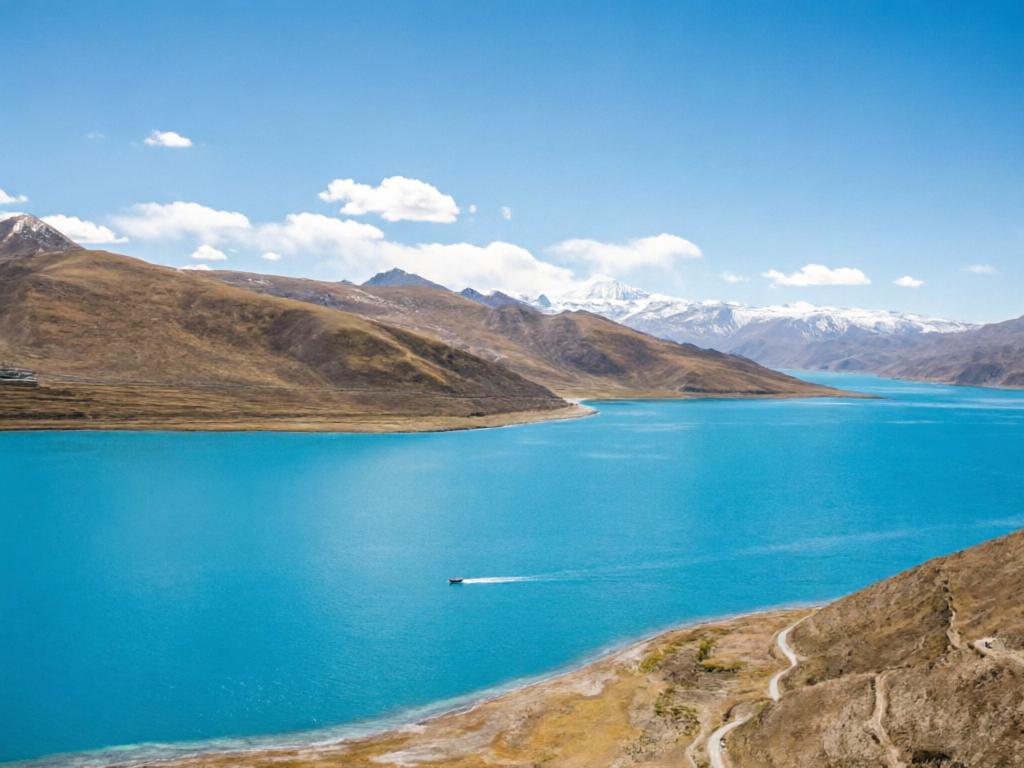
| Yamdrok Lake | 4,440m / 14,570ft | Moderate-High | Acclimatized in Lhasa first |
| Gyantse | 4,050m / 13,290ft | Moderate | 1-2 days after Lhasa |
| Shigatse | 3,900m / 12,800ft | Moderate | Usually well-tolerated |
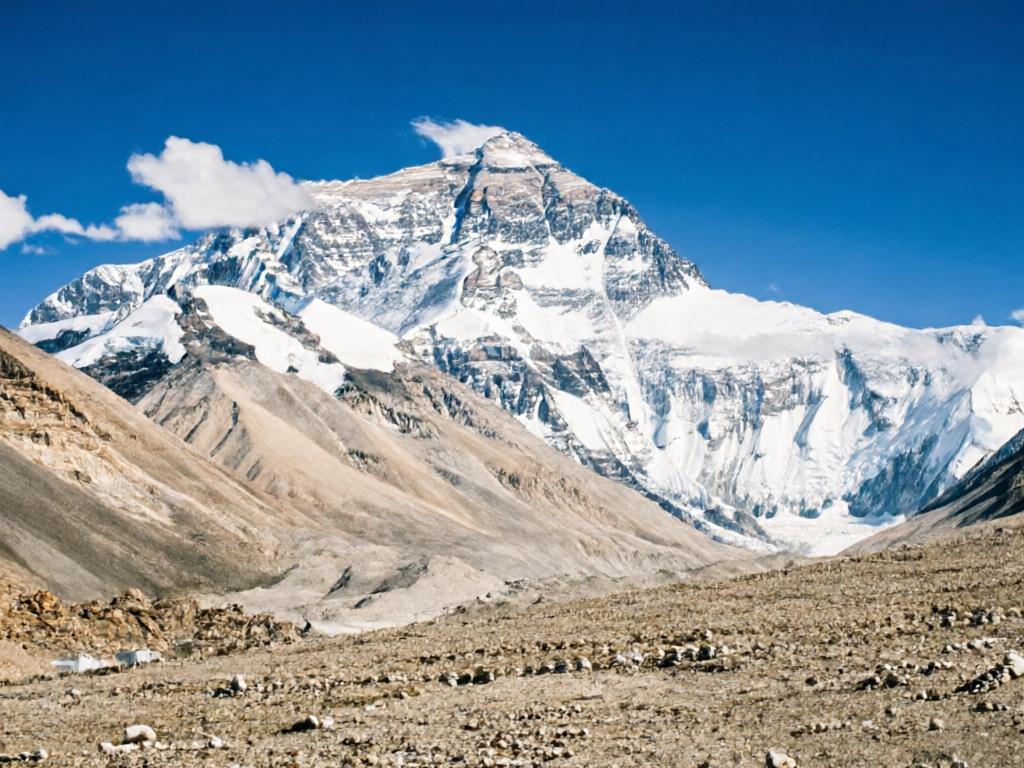
| Everest Base Camp (Tibet side) | 5,200m / 17,060ft | High | 4-5 days of gradual ascent |
| Namtso Lake | 4,718m / 15,480ft | High | Acclimatized in Lhasa first |
| Mount Kailash | 5,656m / 18,560ft | Very High | 5-7 days of gradual ascent |
At XZZY Trip, altitude safety is built into every itinerary we design:
XZZY Trip prioritizes your safety. Let us plan your Tibet adventure with altitude-friendly itineraries.
Get Free Quote