Seasonal Guide
Tibet sits at an average elevation of over 4,500 meters (14,800 feet), giving it a unique high-altitude climate that differs dramatically from most other destinations. The Tibetan Plateau experiences long, cold winters and short, mild summers. Because of the high altitude, ultraviolet radiation is intense, and temperature swings between day and night can be extreme — sometimes exceeding 20°C (36°F) in a single day.
The concept of "seasons" in Tibet is less about rainfall and more about temperature and accessibility. The region receives most of its precipitation during the monsoon months of June through September, but even then, the total rainfall is modest compared to other parts of Asia. The dry season runs from October through May, when skies are clear but temperatures drop significantly, especially at night.
In general, the best time to visit Tibet is from April to October, with peak tourist season falling in May, June, September, and October. July and August are the warmest months but also bring the most rain and clouds. November through March is the low season, offering the cheapest prices and fewest crowds — but also the coldest temperatures and some road closures.
Temperature (Lhasa): -10°C to 7°C (14°F to 45°F)
Weather: Clear skies, extremely dry, very cold at night
Crowds: Very few tourists — this is the lowest season
Scenery: Snow-capped mountains are stunningly clear, but many high-altitude passes may be closed
Recommendation: ★☆☆☆☆ — Only for experienced winter travelers. Budget-friendly but cold. Everest Base Camp may be inaccessible.
Key events: Losar (Tibetan New Year) usually falls in February or March, so January is pre-festival quiet.
Temperature (Lhasa): -7°C to 9°C (19°F to 48°F)
Weather: Still very cold but starting to warm. Clear, dry air. Occasional dust storms.
Crowds: Low, but local pilgrims increase for Losar celebrations
Scenery: Winter landscapes with snow-covered peaks. The air is incredibly clear for photography.
Recommendation: ★★☆☆☆ — If Losar aligns with your visit, it is a unique cultural experience. Otherwise, still very cold.
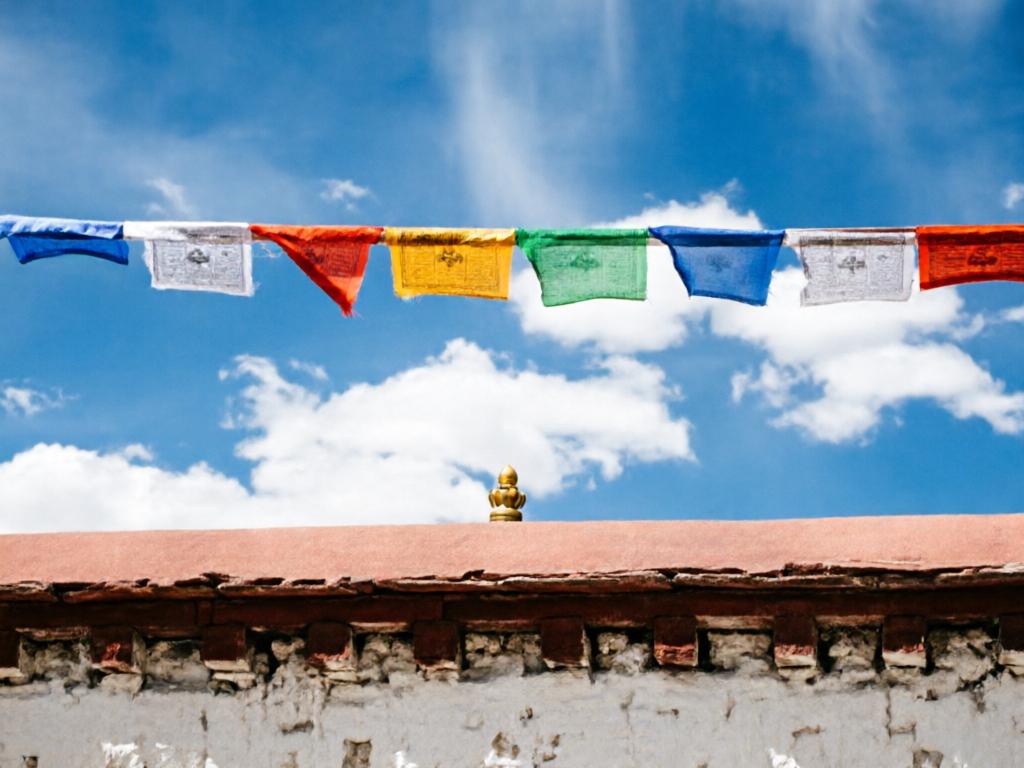
Key events: Losar (Tibetan New Year) — usually late February or early March. The most important Tibetan festival with prayer flags, monastic dances, and family gatherings.
Temperature (Lhasa): -2°C to 13°C (28°F to 55°F)
Weather: Warming up. Days are pleasant but nights remain cold. Still very dry.
Crowds: Low to moderate. Early spring travelers begin arriving.
Scenery: Peach blossoms begin to bloom in Nyingchi (southeastern Tibet) from mid-to-late March. The Yarlung Tsangpo Valley turns pink with blossoms against snow mountains.
Recommendation: ★★★☆☆ — Good time for photographers seeking peach blossoms. Most tourist facilities reopen after winter.
Key events: Nyingchi Peach Blossom Festival starts late March. Saga Dawa preparations begin.
Temperature (Lhasa): 2°C to 16°C (36°F to 61°F)
Weather: Pleasant days, cool nights. Very little rain. Excellent visibility.
Crowds: Moderate. Peak season is approaching but not yet crowded.
Scenery: Peach blossoms continue in Nyingchi. Snow begins to melt at lower elevations. Mountain views are excellent.
Recommendation: ★★★★☆ — Excellent time to visit. Good weather, fewer crowds than May/June, and beautiful spring scenery.
Key events: Peach Blossom Festival continues. Birthday of the 14th Dalai Lama (April 6).
Temperature (Lhasa): 6°C to 20°C (43°F to 68°F)
Weather: Warm days, cool nights. Low humidity. Minimal rainfall.
Crowds: High — this is one of the busiest months for tourism.
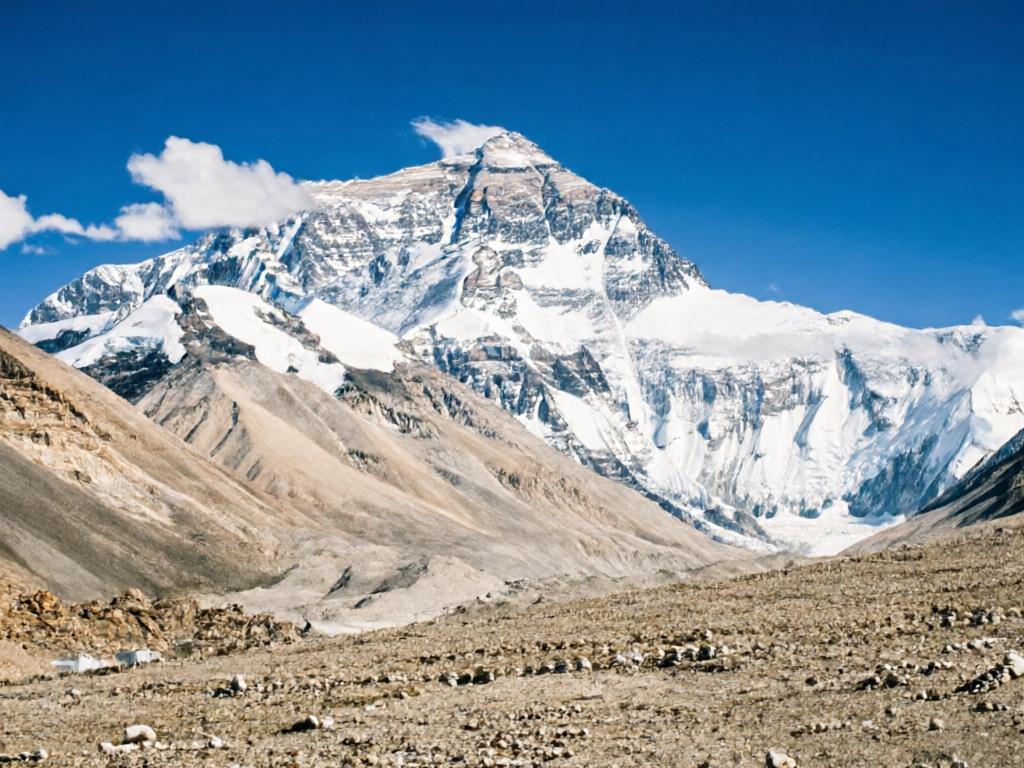
Scenery: Lush green valleys. Flowers blooming everywhere. Everest views are spectacular from base camp.
Recommendation: ★★★★★ — One of the two best months (along with September) to visit Tibet. Perfect weather, clear skies, and all routes open.
Key events: Saga Dawa — the holiest month in Tibetan Buddhism, celebrating Buddha's birth, enlightenment, and parinirvana. Pilgrimage to Mount Kailash peaks.
Temperature (Lhasa): 10°C to 24°C (50°F to 75°F)
Weather: Warm and pleasant. The monsoon begins to arrive late in the month with occasional afternoon showers.
Crowds: Very high. June is a peak tourist month.
Scenery: Green landscapes, blooming wildflowers. Everest views are still good in the early morning before clouds build up.
Recommendation: ★★★★☆ — Excellent weather but crowded. Book accommodations and permits well in advance.
Key events: International workers' holiday period brings many Chinese domestic tourists. Tashilhunpo Monastery Thangka Festival (varies by year).
Temperature (Lhasa): 12°C to 24°C (54°F to 75°F)
Weather: Warm but rainy. Afternoon thunderstorms are common. Humidity is higher.
Crowds: Peak season. Many Chinese and international tourists.
Scenery: Lush and green. However, mountain views are often obscured by clouds, especially in the afternoon. Early morning is best.
Recommendation: ★★★☆☆ — Warmest weather, but frequent rain can obscure mountain views. Good for those who don't mind some rain.
Key events: Shoton Festival (Yogurt Festival) — usually in August, but preparations begin in July. Horse racing festivals in various regions.
Temperature (Lhasa): 12°C to 23°C (54°F to 73°F)
Weather: Warmest temperatures, but also the wettest month. Rain is frequent but usually comes as short afternoon downpours.
Crowds: Peak season. Hotels in Lhasa are fully booked. Book 2-3 months ahead.
Scenery: Green and vibrant. The iconic giant thangka display at Drepung Monastery during Shoton is spectacular.
Recommendation: ★★★★☆ — Despite rain, the Shoton Festival makes August a fantastic cultural experience. Plan outdoor activities for mornings.
Key events: Shoton Festival (main event: giant Buddha thangka unveiling at Drepung Monastery). Tibetan Opera performances at Norbulingka.
Temperature (Lhasa): 9°C to 21°C (48°F to 70°F)
Weather: Rain subsides. Clear, crisp autumn air. Excellent visibility. This is arguably the most comfortable month.
Crowds: High. Many travelers choose September for the perfect weather.
Scenery: Golden autumn colors in the valleys. Crystal clear views of Everest and other Himalayan peaks. Ideal for photography.
Recommendation: ★★★★★ — Arguably the best month to visit Tibet. Perfect weather, stunning scenery, and all routes accessible. Our top recommendation.
Key events: Mid-Autumn Festival. Various harvest festivals across Tibetan regions.
Temperature (Lhasa): 4°C to 17°C (39°F to 63°F)
Weather: Cooling down. Dry and clear. Cold mornings and evenings but pleasant afternoons.
Crowds: Moderate to high early in the month, tapering off toward November.
Scenery: Golden autumn foliage. Excellent mountain views. The transition to winter begins late in the month.
Recommendation: ★★★★☆ — Excellent month, especially early October. The first week is China's National Day holiday — very crowded. After October 7, it is wonderful.
Key events: China National Day (Oct 1-7 — avoid if possible due to crowds). Beautiful autumn photography.
Temperature (Lhasa): -2°C to 12°C (28°F to 54°F)
Weather: Cold but dry and sunny. The winter wind begins to pick up.
Crowds: Low. Tourist numbers drop sharply after November 1.
Scenery: Barren but beautiful winter landscapes. Incredible mountain visibility. Some remote roads may close due to snow.
Recommendation: ★★★☆☆ — Good for budget travelers and photographers who don't mind cold weather. Hotel prices drop significantly.
Key events: Minimal festivals. Good time for photography as the low-angle sun creates dramatic light.
Temperature (Lhasa): -8°C to 8°C (18°F to 46°F)
Weather: Very cold, especially at night. Heavy snow possible at high elevations. Extremely dry air.
Crowds: Very low. Only the most adventurous travelers visit in December.
Scenery: Snow-covered plateau. Everest and all mountains are beautifully capped in white. Some passes may be impassable.
Recommendation: ★☆☆☆☆ — Only for experienced cold-weather travelers. Many hotels and restaurants close for winter. Everest Base Camp may be inaccessible.
Key events: Ganden Thangka Festival at Ganden Monastery (usually late December). Tibetan New Year preparations begin.
| Season | Months | Temperature (Lhasa) | Crowds | Rating |
|---|---|---|---|---|
| Peak Season | May-Jun, Sep-Oct | 15-24°C / 59-75°F | Very High | ★★★★★ |
| Shoulder Season | Apr, Jul-Aug | 12-24°C / 54-75°F | High | ★★★★☆ |
| Low Season | Nov-Mar | -10-13°C / 14-55°F | Very Low | ★★☆☆☆ |
Photography: September-October for autumn colors and clear mountain views. March-April for peach blossoms. January-February for snow landscapes.
Everest Base Camp: May and September offer the clearest views of Everest. July-August clouds often obscure the peak. November-February may be too cold with road closures.
Mount Kailash Trekking: May-September is the best window. The Kora (circumambulation) is most popular during Saga Dawa (May-June).
Cultural Festivals: August for Shoton Festival. February/March for Losar. May/June for Saga Dawa.
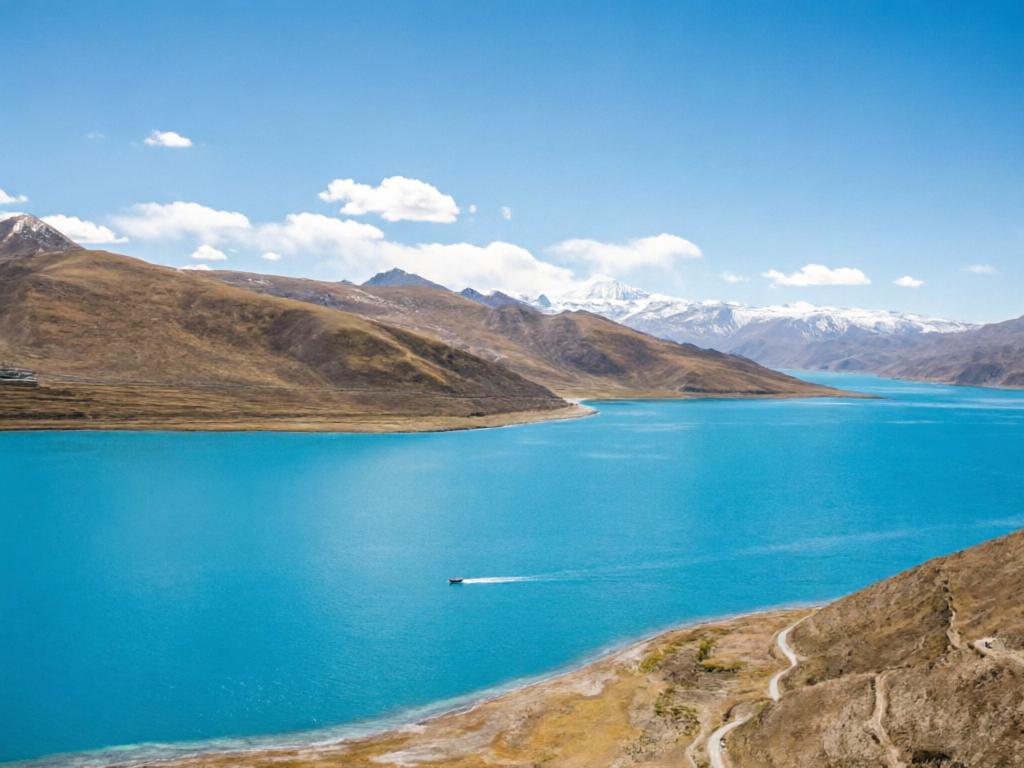
Namtso Lake: May-October. The lake freezes in winter and the road may be closed from December to March.
Budget Travel: November-March offers 30-50% discounts on hotels and tours, though some attractions may be inaccessible.