Travel Tips
Traveling to Tibet is an unforgettable experience, but it comes with unique challenges and considerations that differ from any other destination. From cultural etiquette to practical logistics, here are 30 essential things to know before you set foot on the Roof of the World.
1. You Cannot Travel Independently. International travelers must book through a licensed Tibet travel agency. Independent travel is not permitted. Your agency arranges your permit, guide, transportation, and accommodation.
2. You Need Both a Chinese Visa and a Tibet Travel Permit. The Chinese visa (L-visa) is obtained from a Chinese embassy before travel. The Tibet Travel Permit (TTP) is arranged by your agency. You need both. XZZY Trip handles the TTP for all customers — just send us your passport and visa scans.
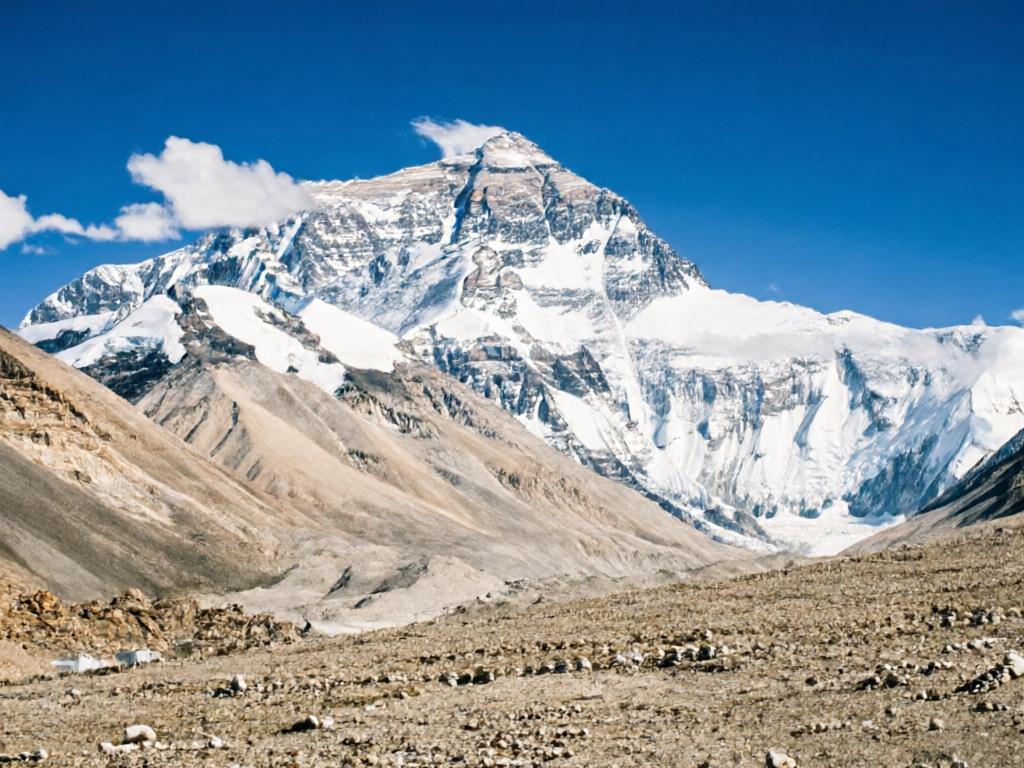
3. Additional Permits May Be Required. For Everest Base Camp, Mount Kailash, and Ngari Prefecture, additional Alien Travel Permits (ATP) and Military Permits are necessary. A good agency handles all of these.
4. Keep Your Passport Handy at All Times. There are police checkpoints between all major Tibetan towns. Your guide handles the paperwork, but you must present your passport at each checkpoint. Keep it accessible, not buried in your luggage.
5. US, Canadian, and British Passports Are Welcome. Despite political sensitivities, travelers from all Western countries are welcome in Tibet through organized tours. No special restrictions apply beyond standard permit requirements.
6. Layers Are Everything. Tibet's weather can swing from 20°C (68°F) in the afternoon sun to below freezing at night in the same day. Pack thermal base layers, a fleece or down mid-layer, and a windproof/waterproof outer shell. A down jacket is essential for Everest Base Camp and winter travel.
7. Sun Protection Is Non-Negotiable. UV radiation at Tibet's altitude is extremely intense. Bring SPF 50+ sunscreen, UV-protection sunglasses (rated for high altitude), a wide-brimmed hat, and lip balm with SPF. Sunburn can happen even on cloudy days.
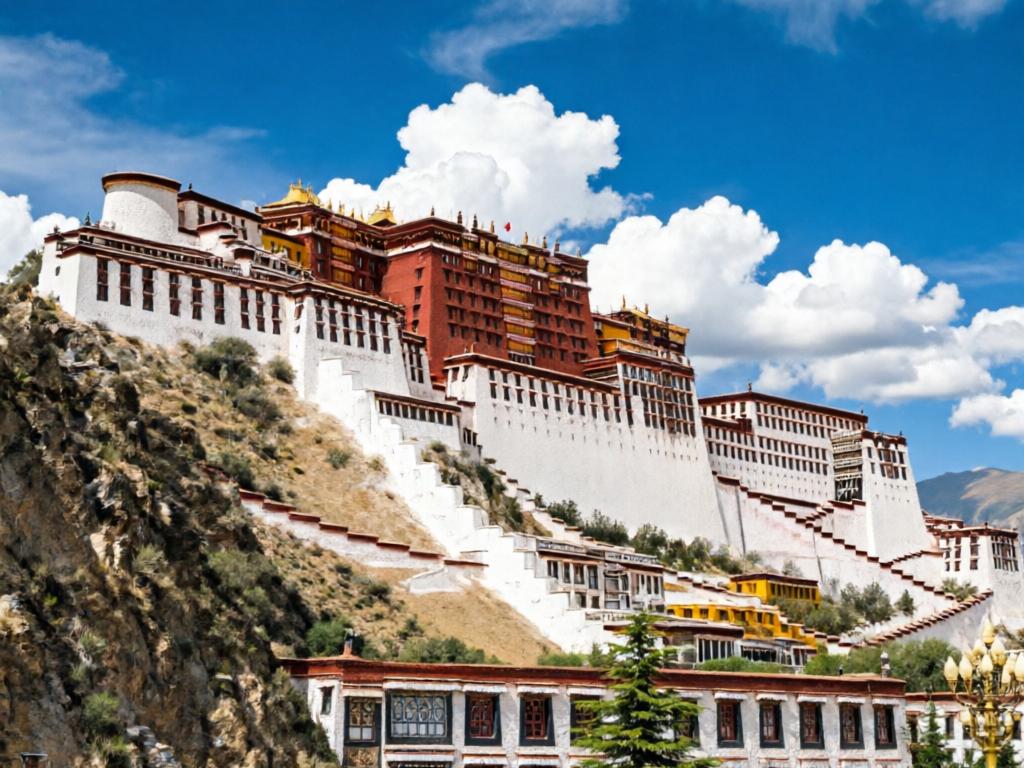
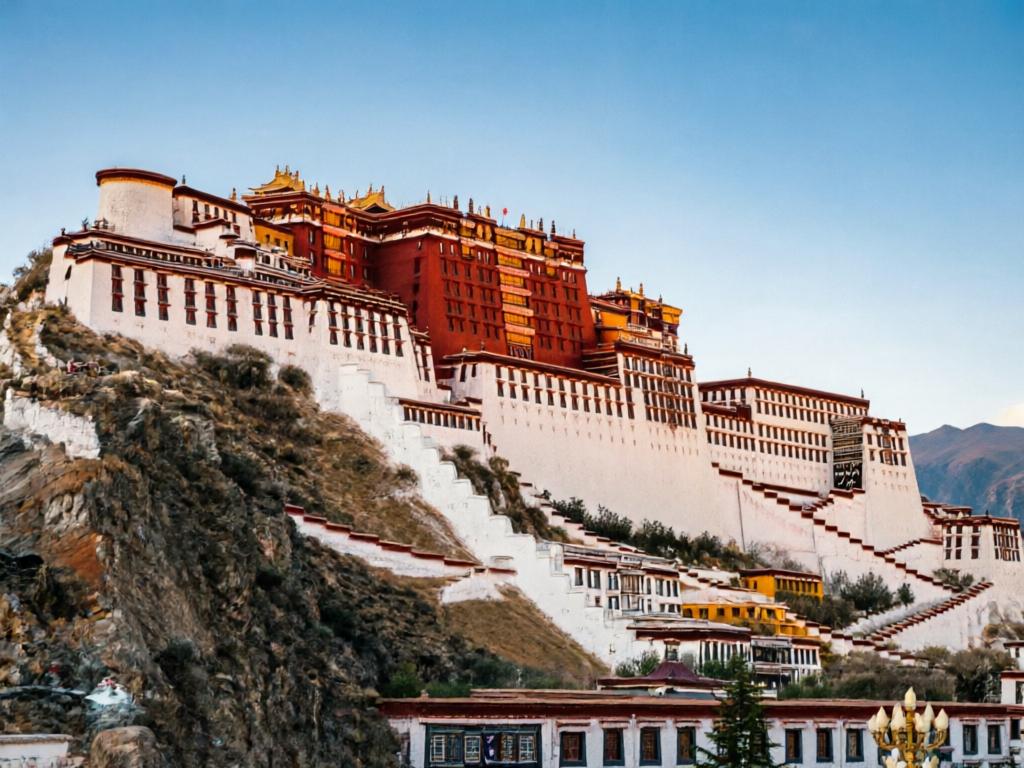
8. Comfortable, Broken-In Walking Shoes. You will do significant walking at monasteries, the Potala Palace (which involves climbing 108 steps and many ramps), and around Lhasa's Barkhor Street. Do not try to break in new boots on this trip.
9. Bring a High-Quality Reusable Water Bottle. Staying hydrated is critical for altitude adaptation. Many hotels offer free boiled or filtered water to refill. Avoid single-use plastic bottles when possible.
10. A Small Power Bank. Electricity can be unstable, especially in remote areas like Everest Base Camp. A 10,000mAh+ power bank ensures your phone and camera stay charged. Bring a universal adapter too — Chinese sockets accept standard two-pin plugs.
11. Personal Medications and First-Aid Kit. Bring a well-stocked personal first-aid kit including: pain relievers (ibuprofen/paracetamol), anti-diarrhea medication, cold/flu remedies, antiseptic wipes, bandages, and blister plasters. Pharmacies in Lhasa stock Chinese medicines, but Western-brand medications may not be available.
12. Sleeping Bag Liner (Optional but Useful). For Everest Base Camp and remote guesthouses, a lightweight sleeping bag liner provides extra warmth and hygiene.
13. Leave Expensive Jewelry at Home. Tibet is generally safe, but flashy jewelry attracts unwanted attention. Leave valuables in your hotel safe.
14. Walk Clockwise Around Sacred Sites. Always walk clockwise around monasteries, stupas, mani stone piles, and the Barkhor pilgrimage circuit around Jokhang Temple. The same applies to turning prayer wheels — they must be turned clockwise.
15. Never Point Your Finger at Buddha Images. Pointing directly at statues or thangka paintings is considered disrespectful. Use an open hand with palm facing up to gesture toward sacred objects.
16. Do Not Touch Monks or Their Belongings. Avoid touching monks, their robes, or their religious implements. If you want to take a photo of a monk, always ask permission first — many will politely decline.
17. Photography Restrictions Inside Monasteries. Generally, photography is not allowed inside monastery prayer halls and temples. Most monasteries allow outdoor photography. Look for signs or ask your guide before taking photos.
18. Remove Hats and Sunglasses Inside Temples. As a sign of respect, remove your hat and sunglasses when entering any temple or monastery. Shoes are usually not required to be removed (unlike in many Asian temples), but check with your guide.
19. Do Not Sit on Prayer Benches or Mani Stones. Mani stones (stones carved with the mantra "Om Mani Padme Hum") are sacred objects. Do not sit on them, move them, or take them as souvenirs.
20. Dress Modestly. When visiting monasteries, cover your shoulders and knees. Short shorts, tank tops, and revealing clothing are inappropriate. A lightweight scarf that can cover shoulders is handy.
21. Do Not Stick Your Tongue Out Playfully. In Tibetan culture, sticking out the tongue is a traditional greeting of respect, not a joke. Better to just smile and say "Tashi Delek" (hello/auspicious greetings).
22. Cash Is King. While major hotels, nicer restaurants, and larger shops in Lhasa accept Chinese bank cards and sometimes credit cards, cash (Chinese Yuan/RMB) is essential for smaller purchases, street markets, remote areas, and tips. Bring sufficient cash from your home country — ATMs exist in Lhasa and Shigatse but may run out of cash or reject foreign cards.
23. WeChat Pay / Alipay. These mobile payment systems are ubiquitous in China but require a Chinese bank card to set up. As a foreign tourist, it is easier to rely on cash. However, if you have a Chinese friend who can help, WeChat Pay is widely accepted.
24. Internet Access Is Restricted. The Great Firewall of China blocks many Western websites and apps including Google, Facebook, Instagram, Twitter, WhatsApp, and YouTube. Install a reliable VPN on your devices BEFORE you leave home (VPNs are difficult to download once inside China). We recommend ExpressVPN, NordVPN, or Astrill for China. Even with a VPN, internet speeds in Tibet can be slow, especially in remote areas.
25. Buy a Chinese SIM Card. Your home country SIM card will not work in China unless you have an international roaming plan. Buy a China Unicom or China Mobile SIM card at any airport upon arrival in China. Data packages are inexpensive. Make sure your phone is unlocked.
26. Power Outages Can Happen. In remote areas, electricity can be intermittent. Charge your devices whenever you have the chance. EBC (Everest Base Camp) guesthouses often have limited generator power during certain hours.
27. No Western Social Media. Facebook, Instagram, Twitter, WhatsApp, and YouTube are all blocked. WeChat is the primary messaging app used in China. If you need to stay connected with family, have them install WeChat so you can communicate via that platform.
28. Travel Insurance Is Essential. Make sure your travel insurance covers high-altitude travel up to 6,000 meters (20,000 feet) and includes emergency medical evacuation by helicopter if needed. Many standard policies exclude high-altitude activities — check the fine print. World Nomads, SafetyWing, and Allianz offer high-altitude coverage.
29. Tibet Is Surprisingly Safe for Solo Travelers. Violent crime against tourists in Tibet is extremely rare. The most common issues are pickpocketing in busy markets (Barkhor Street) and overcharging by street vendors. Use common sense, keep valuables secure, and you will have no problems.
30. Food and Water Safety. Tap water is not drinkable in Tibet. Stick to bottled or boiled water. Restaurant food in Lhasa is generally safe, but be cautious with street food if you have a sensitive stomach. Tibetan cuisine features yak meat, dairy (yogurt, butter tea), and barley products (tsampa). Vegetarian options are widely available at tourist restaurants.
BONUS — 31. You Will Need Patience and Flexibility. Things work differently in Tibet. Flights can be delayed, road conditions can change, and permit processing can face unexpected delays. The Tibetan pace of life is slower and more relaxed. Embrace it — that is part of the experience. Your XZZY Trip guide will handle all logistics and keep you informed.
Contact XZZY Trip — we answer all queries within 24 hours.
Ask Us Anything