Planning Guide
Planning a trip to Tibet requires more preparation than most destinations. Between permit requirements, altitude acclimatization, and navigating a unique high-altitude environment, there is a lot to organize. But do not let that intimidate you — with the right guide and a reliable local partner like XZZY Trip, your dream Tibet journey is entirely achievable. Follow this comprehensive 7-step guide to plan the perfect Tibet adventure.
Before anything else, decide when you want to go. Tibet's weather varies dramatically by season, and your choice of travel dates will affect everything from what you can see to how much you pay.
Peak Season (May-June, September-October): Best weather, clearest mountain views, all routes open. Prices are highest and crowds are largest. Book at least 2-3 months in advance.
Shoulder Season (April, July-August): Good weather with some rain in July-August. Fewer crowds than peak months. April offers wonderful peach blossoms in Nyingchi.
Low Season (November-March): Cold but very affordable. Hotel prices drop 30-50%. Fewer tourists, but some high-altitude passes and attractions may be closed due to snow.
For most first-time visitors, we recommend May, June, or September as the ideal months for a first Tibet experience. See our Best Time to Visit Tibet guide for a detailed month-by-month analysis.
Before you can get a Tibet Travel Permit, you first need a Chinese visa. Most nationalities (USA, UK, Canada, Australia, EU countries, etc.) must apply for a tourist (L) visa at a Chinese embassy or visa application center in their home country before traveling.
Visa Application Process:
Important: Some nationalities may be eligible for 24-72 hour transit without a visa if connecting through certain Chinese cities. However, for Tibet travel, a full tourist visa is always recommended. Citizens of Singapore, Brunei, and Japan may have different visa requirements — check with your local embassy.
Once you have your Chinese visa, send a clear scan of the visa page and your passport photo page to XZZY Trip, and we handle the rest of the permit process.
International travelers cannot travel independently in Tibet. You must book through a licensed Tibet travel agency that will organize your itinerary, permits, guides, transportation, and accommodation. This is not just a regulation — it also ensures your safety and convenience on the plateau.
When choosing an agency, consider:
XZZY Trip (License: L-XZ-100246) has been serving international travelers since 2010. We handle all permits, provide experienced English-speaking guides, and offer a wide range of tour options from 4-day express tours to 17-day grand expeditions. Browse our tour packages →
The Tibet Travel Permit (TTP) is a separate document required for all international travelers to enter Tibet. Your travel agency applies for this permit on your behalf through the Tibet Tourism Bureau.
Timeline:
Note: For certain restricted areas like Everest Base Camp, Mount Kailash, and Ngari Prefecture, additional Alien Travel Permits are required. XZZY Trip handles all these permits for you at no extra cost.
There are two main ways to get to Tibet: flying into Lhasa Gonggar Airport or taking the Qinghai-Tibet Railway from mainland China. Each has its advantages.
✈️ Flying to Tibet:
🚂 Train to Tibet (Qinghai-Tibet Railway):
Many travelers choose to fly in and take the train out (or vice versa) to experience both. Read our detailed comparison: Tibet Train vs Flight →
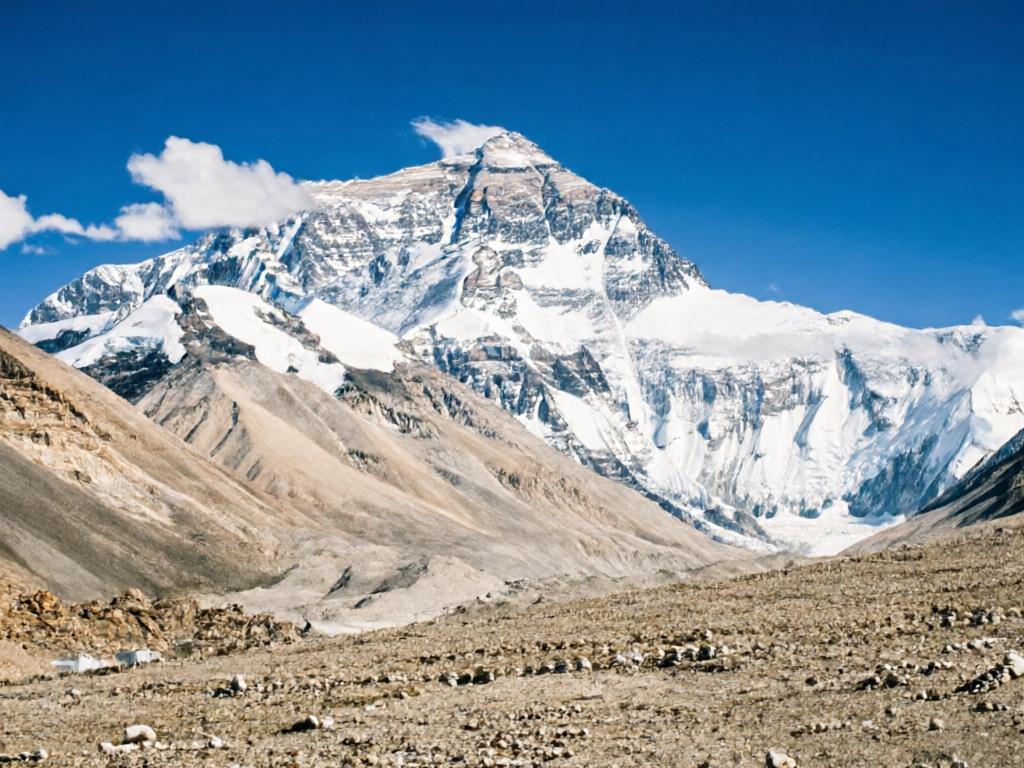
Altitude sickness is the biggest concern for most first-time visitors to Tibet. Lhasa sits at 3,650 meters (12,000 feet), and many tour destinations go much higher — Everest Base Camp is at 5,200 meters (17,060 feet).
Altitude Adaptation Tips:
Packing Essentials:
Here is a realistic budget breakdown for a Tibet trip:
| Expense Item | Estimated Cost |
|---|---|
| Tour Package (4-15 days) | $880 - $4,280 per person |
| International Flight to China | $500 - $1,500 |
| Domestic Flight to Lhasa | $200 - $600 |
| Chinese Visa Fee | $30 - $140 |
| Tibet Travel Permit | $0 (included with tour) |
| Personal Expenses & Souvenirs | $100 - $500 |
We recommend booking your tour 1-2 months in advance during shoulder seasons, and 2-3 months ahead for peak season (May-June, September-October). Last-minute bookings are possible but limited, especially for popular tours and preferred hotels.
Contact XZZY Trip for a free, customized itinerary and quote within 24 hours.
Get Free Quote